Turkey eyes energy self-sufficiency by 2040 but no coal exit yet

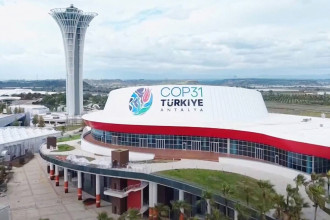
ISTANBUL: Poised to host the COP31 climate summit, Turkey on Friday unveiled an ambitious $500 billion roadmap for electrifying its economy and cutting imports, but offered no clear timeline for phasing out coal.
Just days before the UN conference opens in the resort city of Antalya, Turkey's energy minister launched its new National Energy Plan, seeking self-sufficiency by 2040 by expanding renewable energy while also pursuing new oil and gas investments.
As summit host, Turkey's own energy policies have come under scrutiny, particularly as coal accounts for a third of its power generation, making it Europe's largest producer of coal-fired electricity, according to energy think tank Ember.
"When we reach 2040, we are going to reduce our emissions by 40% and this big change in electrification will make it happen," Energy Minister Alparslan Bayraktar told reporters during a presentation on Friday.
But that would require "a big paradigm shift" in energy demand in Turkey. "We need to change the demand from diesel or gasoline towards electricity," he said.
Under the plan, which marks the halfway point towards the country's 2053 net-zero target, Turkey aims to meet 36% of its energy needs from electricity, up from around 22% today.
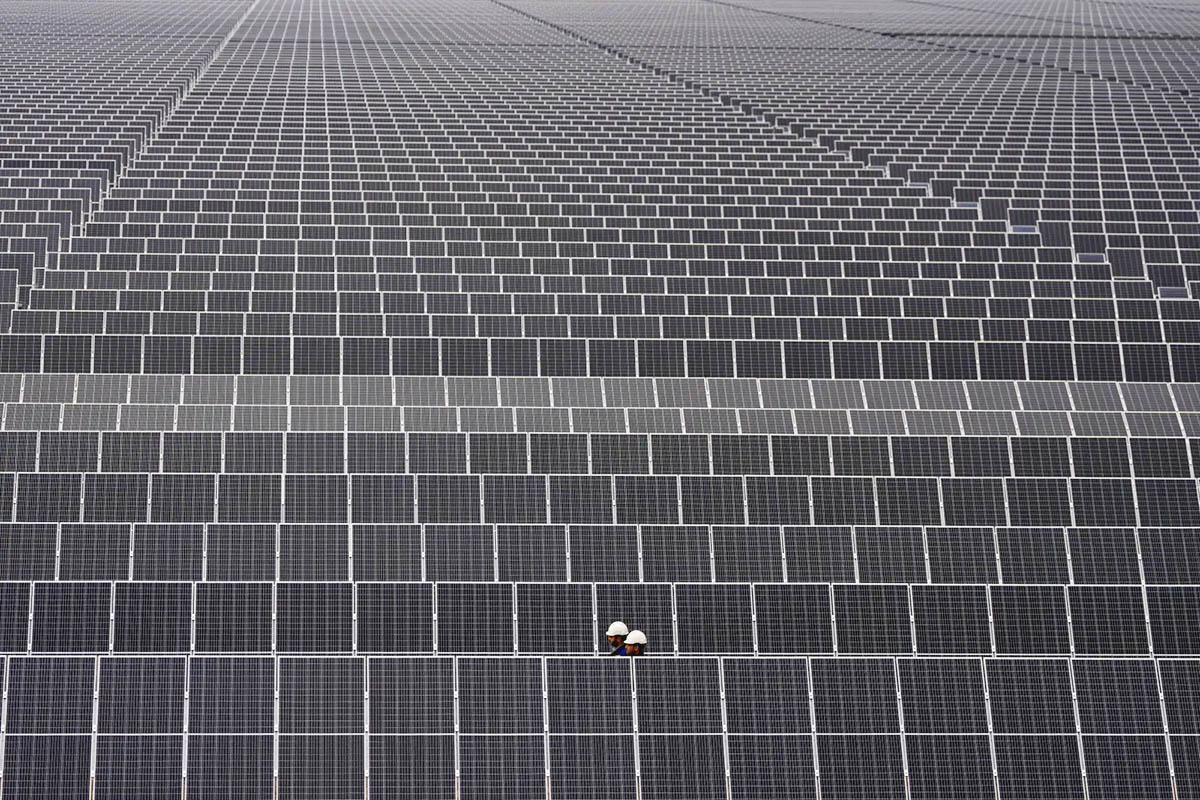
Its installed power capacity, which stood at 123 GW in 2025, will increase to 281 GW, with the share of renewables rising from 63% to 77%. Within that, wind and solar capacity will grow nearly fourfold, from 45 GW to 175 GW.
Oil imports
The plan also seeks to reduce Turkey's heavy dependence on energy imports. Bayraktar said Ankara has this year signed cooperation agreements with oil majors such as Shell, Exxon, Chevron, ENI, Total and BP to accelerate exploration both at home and in Pakistan, Somalia and elsewhere.
"Our aim is to produce more oil and gas in Turkey and abroad," he said, pointing to a "huge project list" and plans to double production at its Black Sea gas field to 7.5 billion cubic metres in 2027.
The energy roadmap comes with a hefty price tag, requiring Turkey to raise "half a trillion dollars in investment" by 2040, Bayraktar said, with $210 billion expected from five public-sector companies and the remainder through foreign investment.
"If the world is serious about carbon neutrality ... to fight climate change and global warming, we need to find the money," he said.
'We need coal'
Asked about a possible roadmap for phasing out coal in light of the planned 40% reduction in emissions, Bayraktar said Turkey needed coal for energy security.
"Why do we need coal? For security of supply. Equally important is that it's providing at least 30,000 to 40,000 people with employment," he said, pledging to outline plans for "a just transition on the coal side" at COP31.
Ultimately, an exit from coal would depend on how much Turkey is able to increase its nuclear power production.
"Nuclear is the key area for us to replace coal," he said.
"We need 10 GW of installed nuclear power generation capacity by the year 2040."
He said, however, it would take "until 2030" to know whether Turkey would have enough nuclear power by 2040 to replace coal.
Turkey is planning to open its first nuclear power plant at Akkuyu on the Mediterranean coast, with the first reactor scheduled to come online by the end of the year, Bayraktar said.
It also has another planned at Sinop on the Black Sea and a third in the western region of Thrace.
Bayraktar said Turkey was currently in talks with Canada, South Korea's Kepco, Russia's Rosatom and China.
By RSS/AFP